

Eco-Friendly Materials for Interior Design
When it comes to interior design, choosing eco-friendly materials is not only beneficial for the environment but also for creating a healthier living space. From sustainable woods to recycled metals, there are plenty of options available for those looking to design with sustainability in mind.
1. Bamboo
Bamboo is a fast-growing grass that is not only sustainable but also incredibly versatile. It can be used for flooring, furniture, and even decorative accents. Bamboo is a great alternative to traditional hardwoods as it grows rapidly and is easily replenished.

2. Cork
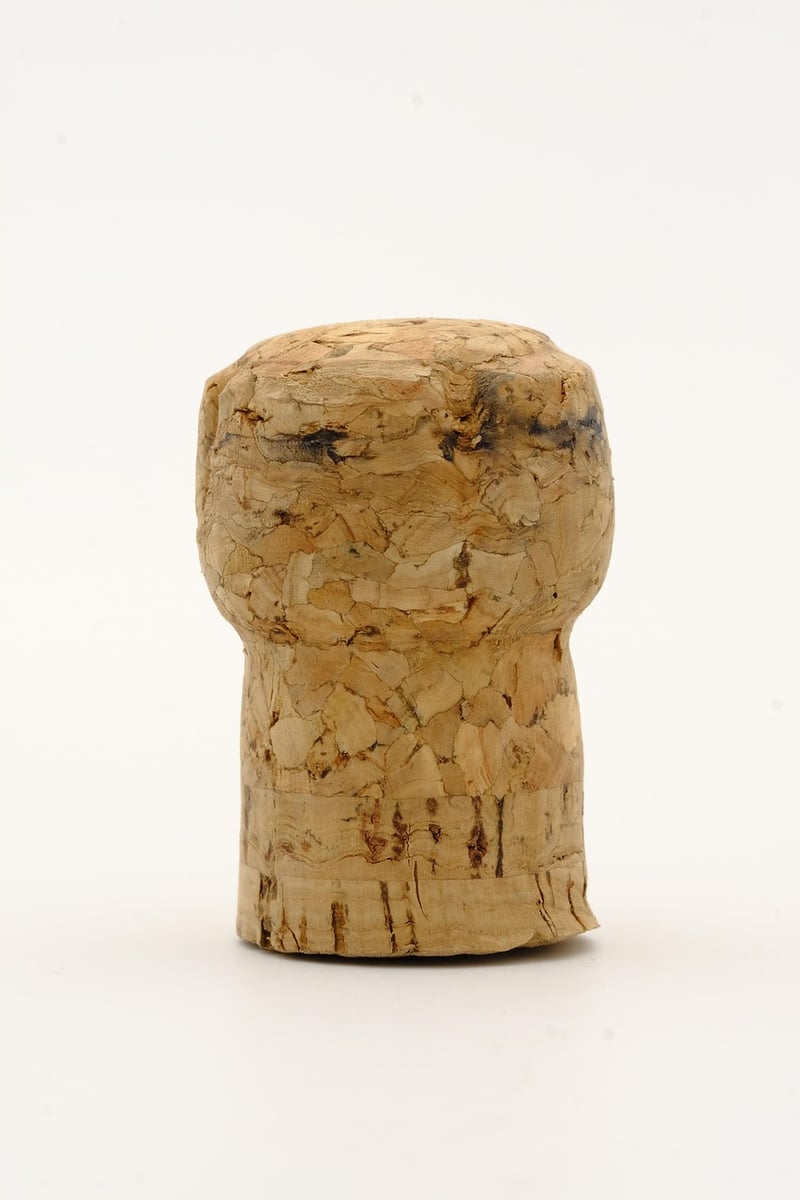
Cork is harvested from the bark of cork oak trees without harming the tree itself, making it a renewable and eco-friendly material. Cork is often used for flooring, wall tiles, and even furniture upholstery due to its natural texture and durability.
3. Recycled Glass
Recycled glass is a sustainable option for interior design as it reduces the need for new raw materials. It can be used for countertops, tiles, and decorative objects, adding a unique touch to any space while being environmentally friendly.

Sustainable Fabrics
Choosing sustainable fabrics for upholstery, curtains, and bedding can significantly reduce the environmental impact of your interior design choices. From organic cotton to hemp, there are many eco-friendly options to explore.
1. Organic Cotton
Organic cotton is grown without the use of harmful pesticides and chemicals, making it a safer and more sustainable choice compared to conventional cotton. It is soft, durable, and available in a variety of colors and patterns.

2. Linen
Linen is made from the flax plant, which requires less water and pesticides to grow compared to other fabrics like cotton. It is known for its breathability and natural texture, making it a popular choice for upholstery and bedding.

3. Hemp
Hemp is a versatile and eco-friendly fabric that is derived from the hemp plant. It is durable, breathable, and requires minimal water and pesticides to grow, making it a sustainable choice for various interior design applications.